

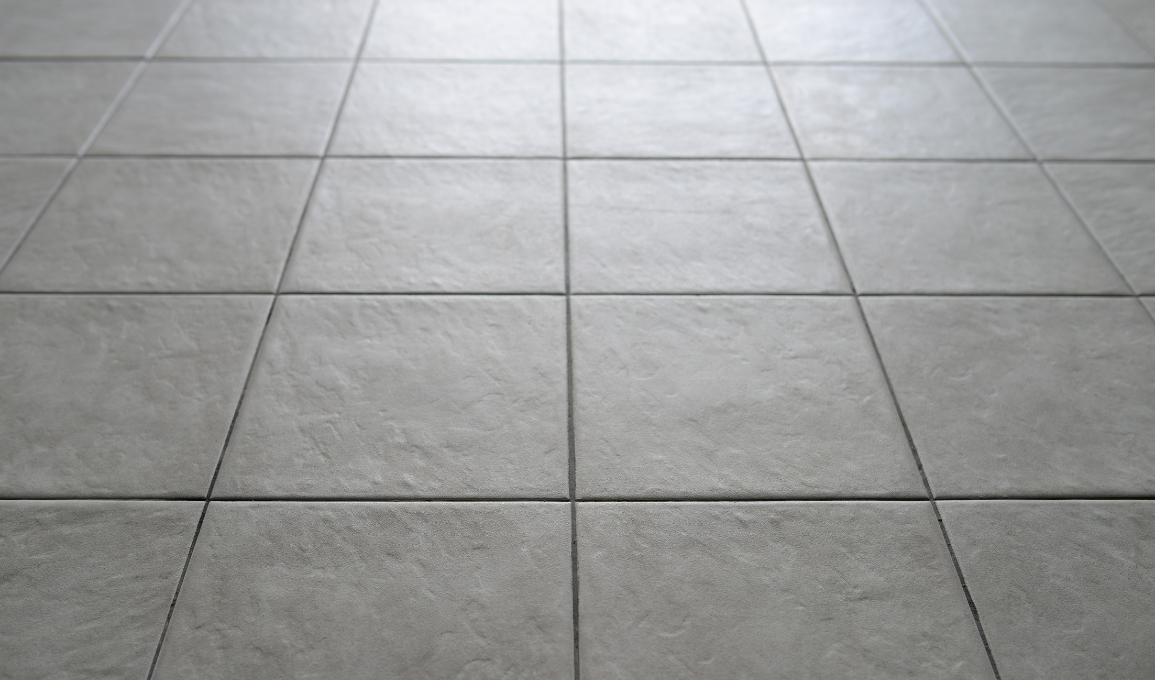
The Complete Guide to Tiling Services in Singapore
Tiling is a permanent floor and wall surface finish achieved by securing durable materials such as ceramic, porcelain, homogeneous, mosaic, marble. Granite, and other natural or engineered stone tiles.
Proper tile installation requires the expertise of a professional tiler or tiling contractor who follows the correct installation methods and uses the appropriate tools or machines. Before installation begins, the tile layout should be carefully planned according to the tile size, room dimensions, and material quantities to achieve a neat finish while minimising unnecessary material wastage.
Over time, tiles may develop common issues such as popped-up tiles, hollow tiles, cracked tiles, loose tiles, deteriorated grout, and other forms of wear and damage that require professional repair or replacement.
What Are Tiling Services?
Tiling services involve the installation and maintenance of durable floor and wall finishes using materials such as ceramic, porcelain, homogeneous, mosaic, marble, granite, and other natural or engineered stone tiles. Tiling services include tile installation, tile replacement, tile repair, tile overlay, grouting, regrouting, waterproofing, cement screeding, marble polishing, and tile chemical cleaning.
Each tiling service serves a different purpose, and the most suitable solution depends on the condition of your floor or wall tiles. For example, if your tiles are severely cracked or broken into multiple pieces, they cannot be effectively repaired or glued back together. In such cases, the damaged tiles should be removed and replaced with new ones. On the other hand, if your existing tiles are still structurally sound but have become outdated or discoloured, and you want to avoid the cost and disruption of a full replacement, tile overlay may be a more practical and cost-effective option.
As there are various tiling methods and repair solutions available, it is always advisable to arrange a professional site inspection and consultation. An experienced tiling contractor can assess the condition of your tiles and recommend the most appropriate solution based on your needs, budget, and the condition of the existing surface.
Types of Tiling Services
Tile Installation
Tile installation is the process of laying new tiles on a properly prepared floor or wall surface. Before installation begins, the existing surface must be carefully prepared to ensure a strong, durable, and long-lasting bond between the tiles and the substrate. In most renovation projects, hacking is required to remove the existing floor or wall finish and roughen the concrete surface, allowing the cement adhesive to bond securely with the new tiles.
In residential properties, floor tiles are commonly installed in living rooms, dining rooms, kitchens, bedrooms, bathrooms, balconies, and service yards. Wall tiles are most frequently installed in kitchens and bathrooms, where they provide protection against water, moisture, and stains while making the surfaces easier to clean and maintain. Tile installation is also widely used in commercial properties such as offices, retail shops, restaurants, hotels, and shopping malls due to its durability and attractive appearance.
One of the main advantages of tile installation is its long lifespan, making it a cost-effective flooring and wall finishing solution. Quality tiles are highly durable, resistant to daily wear and tear, easy to clean, and available in a wide variety of colours, sizes, textures, and designs to suit different interior styles. Whether you are building a new property or renovating an existing one, professional tile installation ensures a level surface, neat tile alignment, and a high-quality finish that will last for many years.
If you are planning a tiling project for your home or commercial property, our experienced tiling specialists can provide a professional site inspection, expert advice, and a free quotation tailored to your requirements.
Tile Replacement
Tile replacement involves removing damaged, loose, or worn-out tiles together with the existing cement bed before installing new tiles. Depending on the condition of the tiled surface, replacement can be carried out on a small affected area or across the entire floor or wall.
One of the most common tile problems in Singapore is popped-up tiles. If only a few tiles have popped and the surrounding tiles remain solid and well-bonded, it is usually unnecessary to replace the entire floor or wall. The damaged tiles can be removed and replaced individually, making it a more cost-effective repair solution.
However, if a professional inspection reveals that many surrounding tiles are also hollow or have lost their bond with the concrete substrate, even though they have not yet popped up, replacing only the visible damaged tiles may not be a long-term solution. In such cases, the affected area or even the entire floor or wall may need to be hacked and retiled to prevent future tile failures and ensure a durable, long-lasting result.
A professional site inspection is always recommended before deciding between partial tile replacement and full retiling, as the most suitable solution depends on the overall condition of the existing tiled surface.
Tile Repair
Common tile problems include popped-up tiles, loose tiles, hollow tiles, cracked tiles, and broken tiles. The most suitable repair method depends on the condition of the affected tiles and the underlying surface.
In some cases, a popped-up tile can be reused if it remains in good condition and the old cement can be removed without damaging the tile. Reusing the original tile is often a good option when matching replacement tiles are no longer available.
For hollow tiles, one repair method is adhesive injection. This involves drilling a small hole through the grout line and injecting a specialised adhesive beneath the tile to fill the void and reduce hollow sounds or minor movement. However, this method is generally considered a temporary repair and may not resolve the underlying cause of the problem.
Loose tiles are commonly found on kitchen concrete countertops or other small tiled surfaces. If the tile is still in good condition and the bonding surface remains intact, it may be possible to clean the tile and reattach it using a suitable tile adhesive or cement.
Although certain tile repairs can restore the tiled surface temporarily, we generally do not recommend repair methods for severely hollow, loose, cracked, or damaged tiles. In most situations, replacing the affected tiles provides a more reliable, durable, and long-lasting solution than attempting to repair them.
Tile Overlay
Tile overlay is the process of installing new tiles directly over the existing tiled surface without removing the old tiles. As hacking is not required, tile overlay is generally more cost-effective, faster, and less disruptive than full tile replacement. However, it is only suitable when the existing tiles and substrate are in good condition.
Many homeowner overlay tiles for bathroom floor and wall. Bathroom is a heavy use contact to water and chemical cleaner compare to other area in a house, hence the tiles surface or colour change very fast or vary fast get old. For customer who look for a budget solution, overlay tiles will be a good option. But make sure get a professional tiling company to check the existing tile conditions. If not, after new tile overlay and affected by problem old tile then waste time and money to redo.
Grouting / Regrouting
Tiles are installed with small gaps between each piece to allow for natural expansion and contraction caused by temperature changes. These gaps are filled with either cement grout or epoxy grout to secure the tiles, prevent water penetration, and create a neat finished appearance. Grout is available in a wide range of colours to complement different tile designs and interior styles.
Regrouting is the process of removing old, damaged, or discoloured grout and replacing it with new grout. The tile joints are thoroughly cleaned before the new grout is applied, restoring both the appearance and functionality of the tiled surface.
You can easily book tile grouting service in Singapore, price is not expensive and work can be done quickly in one day.
Waterproofing
In Singapore, waterproofing is commonly applied to bathroom floors, bathroom walls (typically up to 1 metre in height), balconies, and commercial kitchen floors before tile installation. Proper waterproofing is essential to prevent water seepage, protect the building structure, and reduce the risk of leaks affecting lower floors or neighbouring units.
Cement Screeding
Cement screeding is the process of applying a layer of cement mortar to create a smooth, level, and stable floor surface before installing the final floor finish. Many factories, warehouses, shops, and industrial buildings use cement screeding as their finished flooring because it is more suitable for heavy machinery and high-load traffic than tiled floors, which may crack under excessive impact. In recent years, cement screed flooring has also become increasingly popular among homeowners seeking a modern industrial-style interior design.
Marble Installation
Marble is a premium natural stone that offers a luxurious appearance and long-lasting durability. It is commonly installed in bathrooms, hotels, shopping malls, and other high-end residential and commercial properties. Marble installation requires experienced workmanship to ensure accurate cutting, proper alignment, and a high-quality finish. After installation, the marble surface is typically polished to enhance its natural beauty and provide additional protection.
Marble Polishing
Marble polishing is the process of restoring the original shine and smoothness of marble surfaces using specialised polishing machines and polishing compounds. The surface is carefully ground and polished to remove scratches, stains, dullness, and minor imperfections. Professional marble polishing not only restores the marble's natural gloss but also extends its lifespan, making it a worthwhile investment for maintaining the beauty and value of your property.
Common Tile Problems in Singapore
Popped Up Tiles
Hollow Tiles
Cracked Tiles
Loose or Missing Grout
Uneven Tile
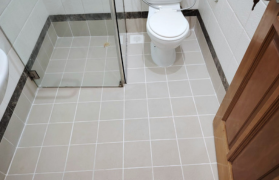
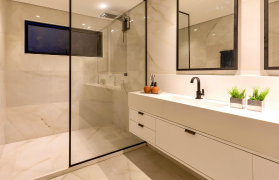
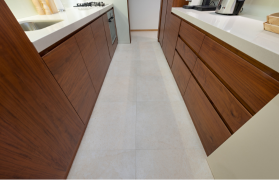
Common Areas We Work On

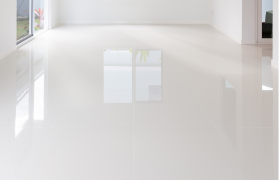

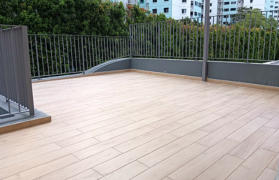

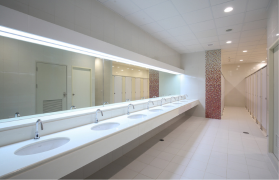
Comparison of Tile Types | Porcelain Tile, Ceramic Tile & Homogeneous Tile
| Features | Porcelain | Ceramic | Homogeneous |
|---|---|---|---|
| Material Composition | Refined clay fired at very high temperature | Clay fired at lower temperature | Uniform material throughout the entire tile |
| Water Absorption | Very Low | Moderate | Very Low |
| Scratch Resistance | Excellent | Good | Excellent |
| Best Used For | Bathrooms, kitchens, living rooms, balconies | Walls, kitchens, bathrooms | Living rooms, bedrooms, commercial areas |
| Indoor / Outdoor Use | Indoor & Outdoor | Mainly Indoor | Indoor & Outdoor |
| Maintenance | Easy | Easy | Easy |
| Appearance | Wide range of modern designs and finishes | Many colours and decorative patterns | Consistent colour throughout the tile |
Our Tiling Process
Frequently Asked Questions (FAQ)
Need Professional Tiling Services in Singapore?
Whether you're replacing cracked or hollow tiles, renovating your bathroom or kitchen, or planning a complete floor and wall tiling project, our experienced tiler team is here to help.
Contact Joydom today for a free site inspection and quotation.
Serving HDB, condominium, landed properties, commercial shops and offices across Singapore.