

Replace a Damaged Bathtub or Convert It to a Shower Area
If your bathtub is damaged, you may be wondering whether it
is better to replace it with a new bathtub or convert it into a shower area.
The right choice depends on your lifestyle, budget, bathroom layout, and
long-term needs.
In general, replacing a bathtub is faster, simpler, and more affordable. However, if you rarely use your bathtub, converting it into a shower area can provide more usable space, easier maintenance, and improved accessibility for elderly family members.
Which Option Is Right for You?
Replace Your Bathtub If:
- You regularly enjoy taking baths.
- Other family members use the bathtub.
- You want a quicker and lower-cost solution.
- You prefer to maintain the original bathroom design.
Convert to a Shower Area If:
- The bathtub is rarely or never used.
- You want a more spacious bathroom.
- You prefer easier cleaning and maintenance.
- You need a safer, elderly-friendly showering area space.
When Should You Replace Your Bathtub?
A bathtub should be replaced when it has reached the end of
its lifespan or can no longer function properly.
Common signs include:
- Cracked bathtub surface
- Deep scratches or stains
- Water leakage
- Holes or structural damage
- Rusted fittings and accessories that cannot be replaced
- Outdated appearance
If you or your family members regularly use the bathtub,
replacing it with a new one is often the most practical option. A damaged
bathtub not only affects your shower experience but may also lead to water
leakage and further damage to your bathroom.
How Long Does Bathtub Replacement Take?
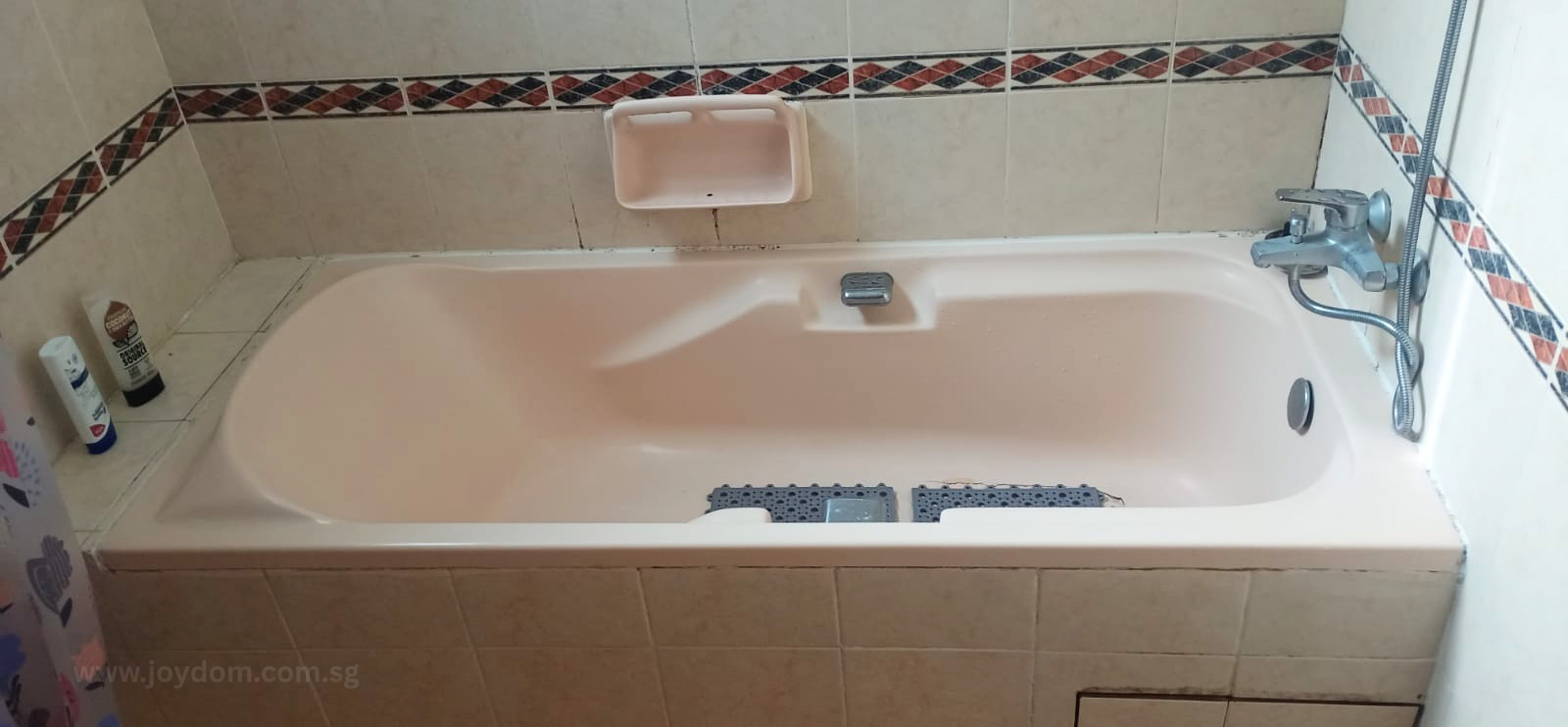
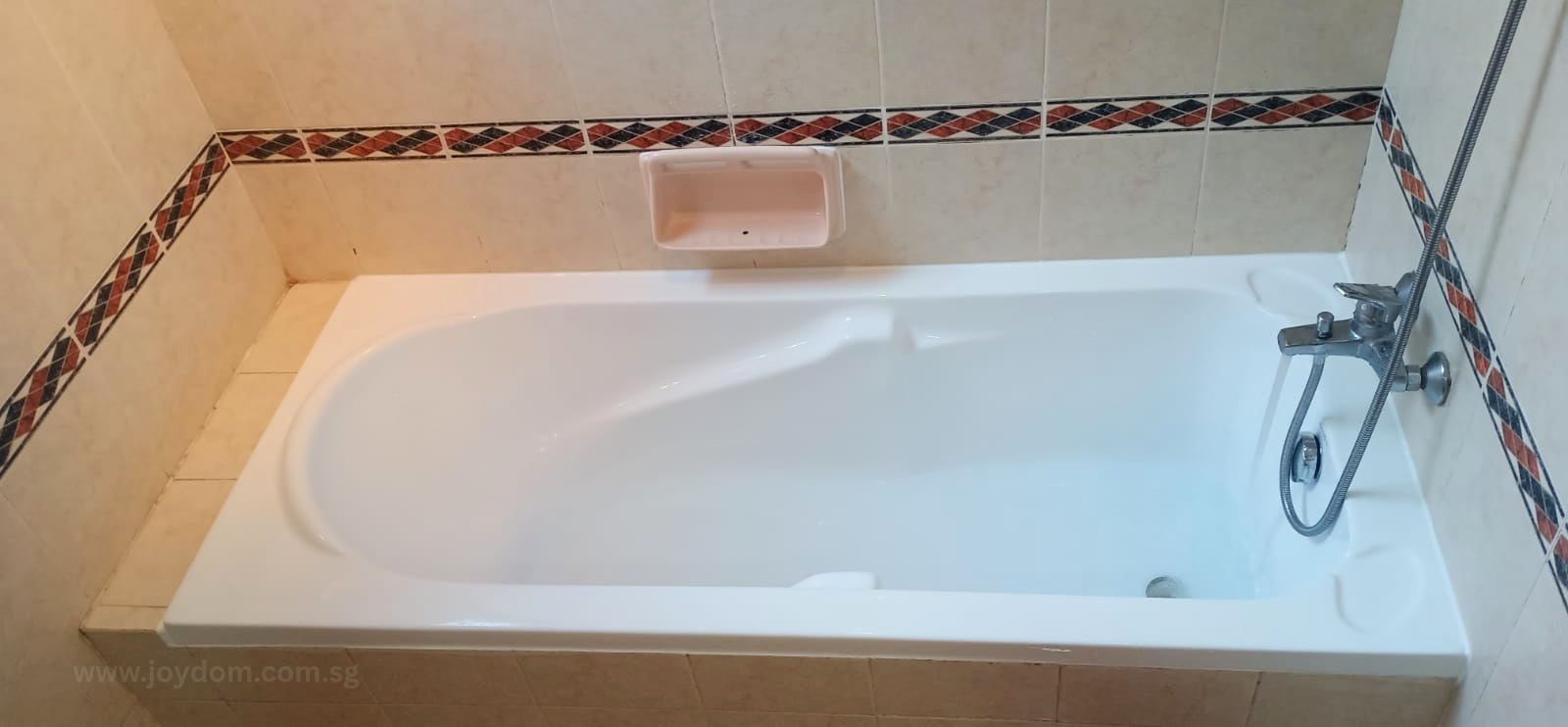
Bathtub replacement is generally a straightforward process.
A professional bathtub installer will:
- Remove
and dispose the existing bathtub.
- Inspect
the piping and waterproofing condition.
- Install
the new bathtub.
- Connect
plumbing fittings and test for leaks.
Most bathtub replacement projects can be completed within 1
to 2 days.
When Should You Convert a Bathtub to a Shower Area?
If your bathtub is damaged, outdated, or simply no longer
used, converting it into a shower area may be a better investment.
Many homeowners in Singapore choose a shower conversion
because it provides:
- More standing space for showering
- Easier access for elderly users
- Modern bathroom appearance
- Easier cleaning and maintenance
- Better use of limited bathroom space
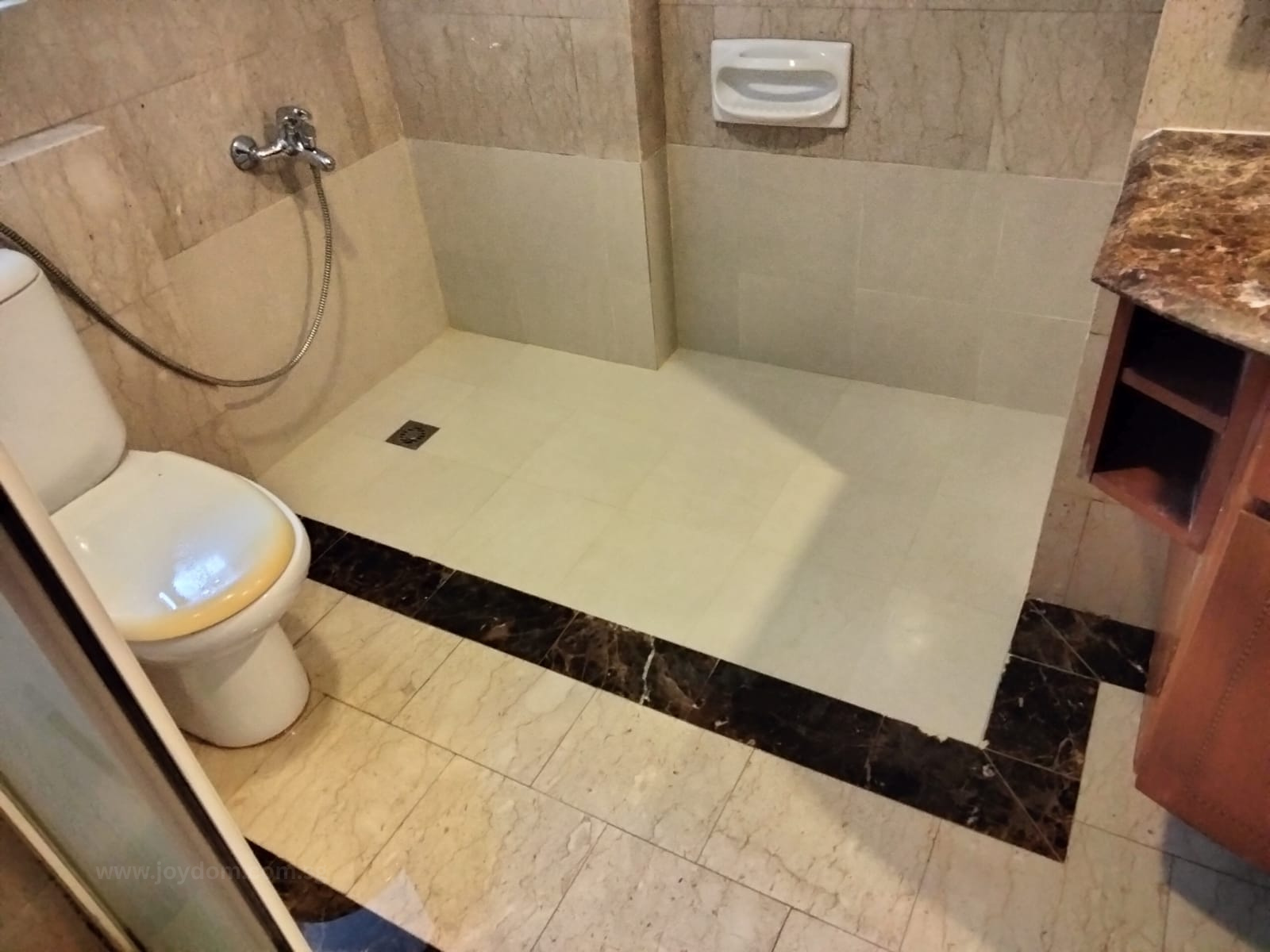
How Long Does a Shower Conversion Take?
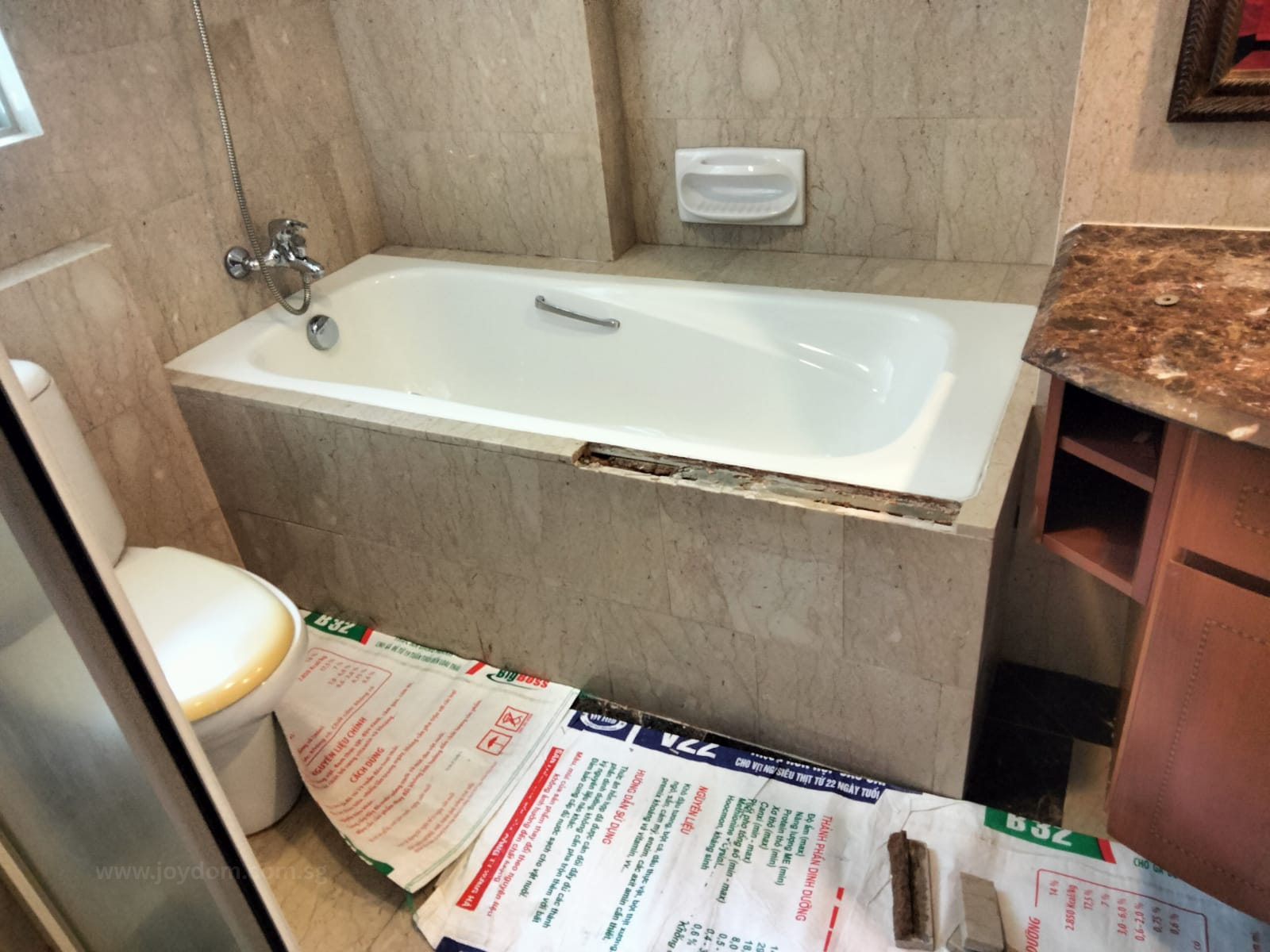
A bathtub-to-shower conversion involves more work than a
direct bathtub replacement.
The process usually includes:
- Removal
and disposal of the existing bathtub.
- Hacking
and clearing affected floor and wall tiles.
- Waterproofing application and testing.
- Tiling Services
- Installation
of shower fittings and accessories.
Most projects take approximately 2 to 3 days,
depending on the extent of tiling and waterproofing works required.
Advantages and Disadvantages of Replacing a Bathtub
Advantages
- Faster installation process
- Lower renovation cost
- Minimal hacking works required
- Suitable for families who enjoy bathing
- Retains the original bathroom design
Disadvantages
- Requires regular cleaning and maintenance
- Occupies a large amount of bathroom space
- Uses more water compared to showering
- Less convenient for elderly users
Advantages and Disadvantages of Converting to a Shower
Advantages
- Easier to clean and maintain
- Creates a more spacious bathroom
- Provides a larger standing area for showering/li>
- More suitable for elderly users
- Uses less water than filling a bathtub
- Modern and practical bathroom design
Disadvantages
- No bathtub available for soaking baths
- Higher renovation cost due to waterproofing and tiling works
- Requires more labour and installation time
Can I Repair My Bathtub Instead?
In some situations, repairing a bathtub may be possible. Common bathtub repairs include:
- Replacing a faulty stopper
- Replacing rusty handles and fittings
- Repairing leaking faucets
- Unclogging bathtub drains
- Fixing plumbing leaks beneath the bathtub

However, severe surface damage is often difficult or impossible to restore. Examples include large cracks, holes in the bathtub body, structural damage, or deep surface deterioration. For acrylic bathtubs, polishing usually cannot restore significant damage. In these cases, replacement is generally the better long-term solution.
There is no one-size-fits-all answer. If you and your family frequently use a bathtub, replacing the damaged unit is often the most cost-effective and practical solution.
However, if the bathtub is rarely used, converting it into a shower area can provide better functionality, easier maintenance, and a more spacious bathroom environment. For many modern Singapore homes, a shower area is often the preferred choice for everyday convenience.
Cost Comparison
Cost Comparison: Bathtub Replacement vs Shower Conversion
Bathtub Replacement
- Faster installation
- Minimal hacking
- Lower renovation cost
Shower Conversion
- Waterproofing required
- Retiling works required
- More Plumbing works and labour involved
- Bathtub brand and size
- Bathroom layout
- Waterproofing requirements
- Floor and wall tiles
- Marble or tile selection
- Shower screen installation / re-install
- Additional plumbing works
Although a shower conversion typically costs more upfront, many homeowners find it worthwhile because it creates a more spacious, safer, and easier-to-maintain bathroom with better long-term usability.