

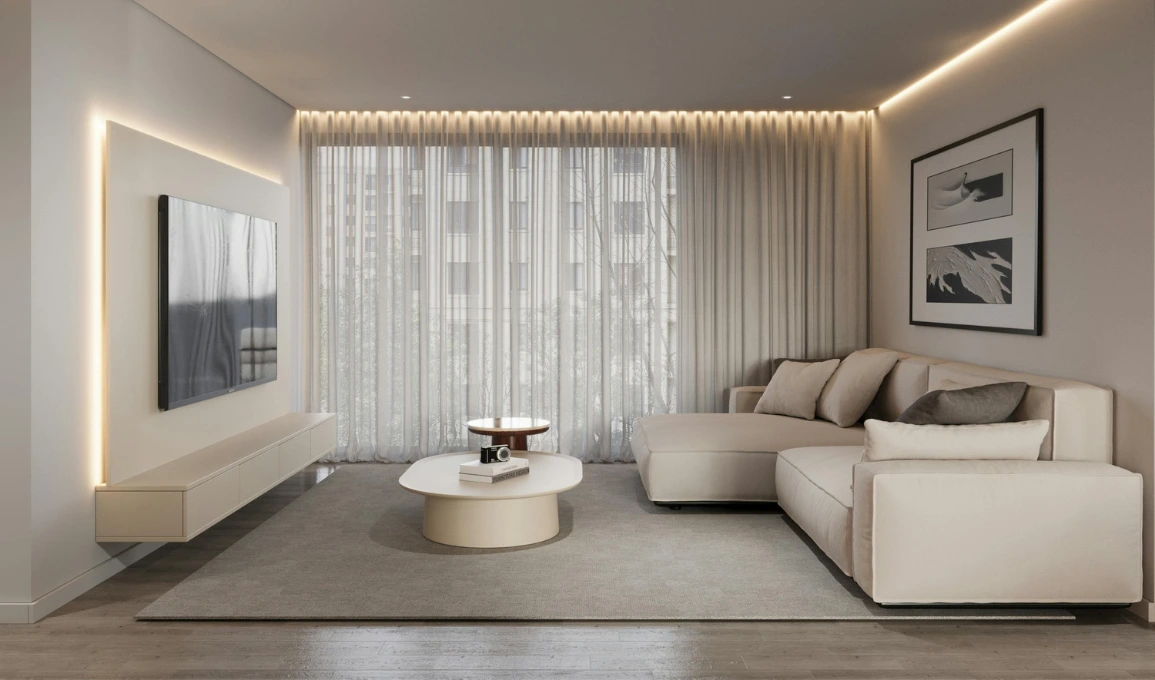
When renovating or upgrading living room flooring, one of the challenges homeowner faces is choosing the right flooring material. Choosing the right flooring material is not simply about selecting the material that looks the best. Your choice should take into consider your household’s lifestyle (foot traffic), renovation budget, the existing home interior design style, and how much maintenance you are willing to do over the years. In Singapore, popular flooring options such as tiles flooring, vinyl flooring, laminate, parquet flooring, marble flooring, and cement screed flooring can create very different looks and offer different levels of durability, comfort, and maintenance.
In this article, we’ll explore the pros and cons of each
flooring material and help you understand which option may be most suitable for
your home and lifestyle.
What Flooring Is Best for a Living Room?
There is no single "best" flooring for every
living room, the right choice depends on your priorities. If you want low
maintenance and water resistance, vinyl flooring and laminate flooring are
usually the top pick. If you want a warm, classic look and don't mind higher
upkeep, parquet flooring is hard to beat. For a cooling, high-end finish in
tropical climates, tiles or marble flooring tend to work best. Families with
children or pets often lean toward vinyl or tiles for their durability and easy
cleaning.
Tiles Flooring
When choosing flooring for a home in Singapore, tiled
flooring is one of the most popular choices among homeowners. Tiles provide a
cool and comfortable surface underfoot. You can feel cool and comfortable
underfoot rather than warm and stuffy even not turning on the aircon. Another
reason homeowners choose tiled flooring is that it is easy to clean. Just
simply mop the floor with a suitable floor cleaner to remove dust, stains and
everyday dirt.
Pros: Water-resistant and easy to clean, with a wide
range of colours, patterns and sizes. Tiles are also highly durable and can
last for many years with proper installation and care
Cons: Grout lines are visible between tiles and may
require cleaning, maintenance or replacement over time
Best for: Tiles flooring is best for homeowner
requires a low maintenance, long life space flooring solution
Vinyl Flooring
Vinyl plank flooring is made up of several layers, including
an EVA underlayment as the backing layer, an SPC core layer, a colour film
layer, a wear layer and a UV layer on top. It is a pet-friendly flooring option
as well because the protective wear layer helps prevent scratches, and it is
also waterproof. Vinyl flooring can install directly on top of cement screed
floor or tiled floor but must make sure the levelling is even. With vinyl flooring installation, you will experience a softer, warmer feel than tile or
marble.
- Pros:
Budget-friendly, pet-friendly and scratch resistant, waterproof, and dense
and rigid
- Cons:
Less durable than tiles or marble over the very long term, can dent under
heavy furniture
- Best
for: Renters, quick renovations, or anyone wanting a wood-look floor
without the cost of real wood
Laminate Flooring
Laminate flooring is made from compressed wood fibre and is
water-resistant but not waterproof. Many homeowners choose laminate flooring
because of its natural wood-look design, which is intended to give the
appearance of real wood flooring. In terms of price, laminate flooring is
generally more affordable than vinyl flooring or parquet flooring. For
installation, the existing floor must be properly levelled to ensure the
laminate planks can be installed evenly.
- Pros:
Affordable, natural wood-look design, comfortable underfoot and available
in many colours and patterns
- Cons:
Water-resistant but not waterproof, can be damaged by prolonged exposure
to moisture, requires a properly levelled floor for installation
- Best
for: Homeowners or tenant who want a natural wood-look living room
floor at a lower cost
- Renters
or homeowners who want to change the look of their living room at a lower
cost. The installation process very fast and can be removed later without
significantly affecting the original floor, making it a practical option
for temporary interior upgrades
Parquet Flooring
Parquet flooring is the real wood flooring option, there are
many types of wood to choose from, including engineered wood, solid timber wood
and solid hardwood flooring. Parquet flooring has different sizes and available
in many patterns and layouts to let you match your interior design style.
Popular patterns include herringbone, chevron and straight plank layouts.
If you install wood flooring in your living room, you can
enjoy a warm, comfortable and natural feel that is difficult to achieve with
other flooring materials. Wood flooring can also add a more premium look to
your home, which may increase its overall appeal and your property value. If
you are willing to spend more on your living room flooring, wood flooring is
worth of investment.
·
Pros: Elegant appearance, adds warmth
underfoot, can be refinished over time
- Cons:
Higher cost, sensitive to moisture and humidity, needs regular maintenance
for parquet floor polishing service for protective layer
- Best
for: Living rooms where design and long-term investment matter more
than upfront cost
Marble Flooring
Marble flooring is one of the most premium flooring options
among the other options; the price can be double up than tiles price. The cost
is high because it is made from natural marble stone. Every marble has its
unique veins which can give your living hall a luxurious and elegant look.
Marble is also a strong and durable flooring material that
can last for many years with proper care. However, compared with tiles, marble
is more porous and can be more easily affected by moisture and stains, once the
stain be absorbed by the marble it difficult to remove. It also requires
regular marble floor polishing to maintain its shine and appearance over time.
If you able to take good care of your home and prefers a
more luxurious interior design, marble flooring can be a great choice for your
living room.
- Pros:
High-end appearance, stays cool in hot climates, increases property value
- Cons:
Expensive, can be slippery when wet, requires sealing and careful
maintenance
- Best
for: Homeowners prioritizing aesthetics and long-term property value
over budget
Cement Screed Flooring
In the past, cement screed flooring was mainly used for
commercial and industrial spaces like warehouses, cafes and shops. But now
become a trend of minimalist and industrial-style interiors, more homeowners,
especially younger homeowners, are choosing cement screed flooring for their
home.
One of the main features of cement screed flooring is its
seamless appearance. There are no visible tile or plank joints or grout lines
across the floor like tiled flooring. The cement screed is applied over the
floor surface and levelled to create a smooth finish. Its simple and raw
appearance works well with modern, minimalist and industrial interior designs.
Cement screed flooring is also relatively easy to maintain
as there are no grout lines that can collect dust and dirt. However, the
surface can be more prone to scratches, cracks and stains if it is not properly
sealed and maintained.
·
Pros: Affordable, durable, easy and low
maintenance, fits contemporary design styles
- Cons:
Can feel cold and hard underfoot, prone to visible cracks over time if not
properly sealed
- Best
for: Modern or industrial-style living rooms on a moderate budget
How to Choose Flooring Materials
When comparing flooring materials, evaluate them against
four criteria:
- Budget
– Vinyl, laminate and cement screed are generally the most affordable;
marble and parquet sit at the premium end.
- Climate
– Tiles and marble stay cooler in hot, humid regions; parquet and vinyl
retain more warmth.
- Maintenance
– Vinyl, laminate and tiles require the least upkeep; parquet and marble
need more regular care.
- Foot
traffic – High-traffic households benefit from tiles, vinyl or cement
screed; parquet and marble suit lower-traffic, design-focused spaces.
Matching these four factors to your household's daily habits
is the most reliable way to narrow down the right flooring material.
Final Thoughts
There's no universally "correct" flooring for a
living room, the right material depends on your budget, climate, and how the
space is used day to day. Tile flooring suit practicality and easy maintenance,
vinyl flooring and laminate flooring are most affordable option, and vinyl more
water-resistant, while parquet and marble flooring suit design-forward homes
willing to invest more, and cement screed flooring fits modern, minimalist
interiors on a moderate budget. Weighing these trade-offs against your
household's needs will help you land on a flooring choice you won't want to
replace anytime soon.