

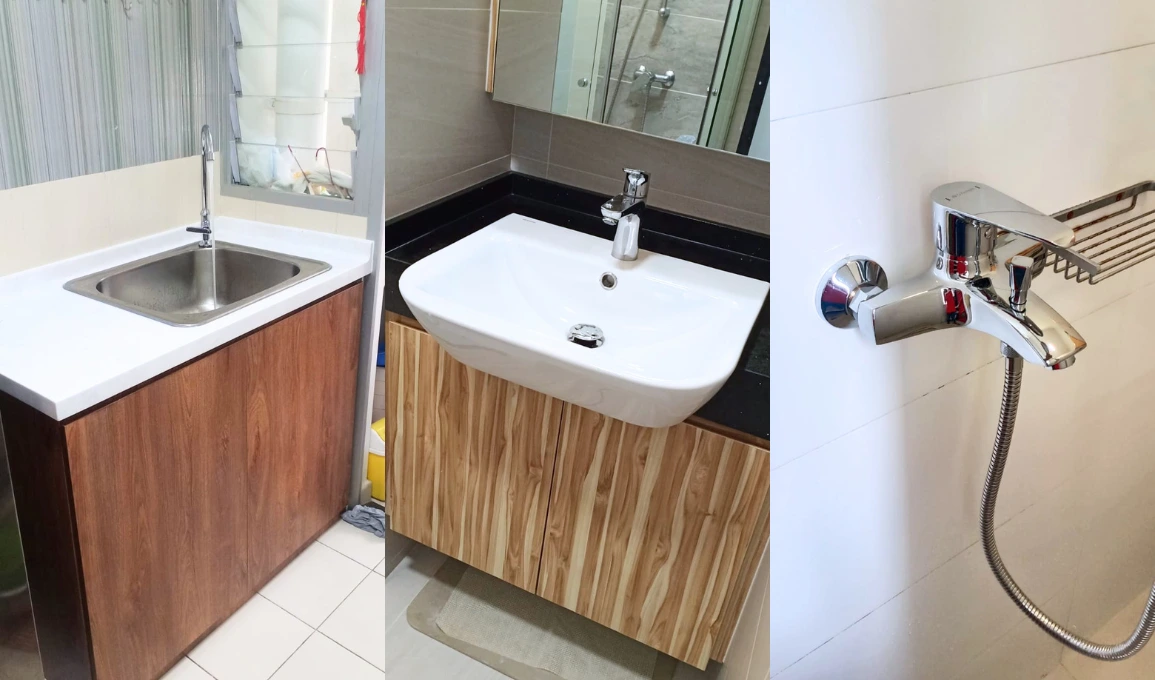
A leaking tap may look like a small problem, but it is a common issue found in many kitchens and bathrooms and may waste water if you don’t change it, especially for older taps that have been used for many years. Many homeowners will try to find a DIY solution or replace the tap themselves when they find the tap starts leaking.
In this guide, we will share the common causes of tap
problems and explain when it is better to get help from a professional plumbing service in Singapore.
Common Tap Problems Homeowners Face
Before you
start to work it out, it helps to understand what’s actually going wrong. Most
tap repair jobs needed due to these four reasons.
Dripping Water Tap
A dripping tap is usually easy to identify. You may notice
water dripping slowly from the tap outlet or leaking around the joint area. For
minor cases, it may only be a few drops of water, but the dripping can become
faster when the problem gets worse. This is usually caused by worn-out internal
parts such as the O-ring or cartridge, or ageing rubber seals at the joint that
no longer provide a proper seal. I you’re wondering how to fix dripping tap
issue at home, the fix is often as simples as replacing the exactly same model
or size faulty parts for replacement.
Leaking Kitchen or Basin Tap
Kitchen and bathroom taps are used frequently every day, so
it is normal for them to develop problems after years of use. Over time, parts
inside the tap may wear out, become loose or start to corrode. A leaking
kitchen or basin tap is usually noticeable when you see water around the sink
or basin area, or dripping underneath the cabinet. The cause may be a loose
fitting, damaged internal components or ageing parts inside the tap. Understanding
how to stop leaking tap problems early can help prevent water damage to your
cabinets, countertops and flooring.
Faulty Angle Valve
The angle valve controls the water supply to your basin,
toilet or kitchen fixture. Unlike a dripping tap, a leaking angle valve should
not be ignored because it can cause continuous water leakage. A cracked or
corroded angle valve can drip non stop, even when the tap itself is turned off.
If you notice water pooling nearby your basin or toilet bowl, learning how to
replace angle valve fittings is an essential skill.
Shower Mixing Valve Problem
Shower mixers help control the water temperature and
pressure when you shower. Over time, the internal valve may wear out, causing
problems such as unstable water temperature, weak water pressure or water
leaking from the mixer body.
Compared to replacing a normal tap, how to replace shower
mixing valve units can be more complicated because the valve is usually
installed inside the wall. Proper inspection is needed to identify whether the
issue is caused by the mixer valve or another part of the plumbing system.
Can you replace a tap yourself?
For many straightforward jobs — like changing a worn washer
or swapping an old tap for a new one — a confident DIYer can handle the job
with basic tools. However, tasks involving concealed pipework, mixing valves,
or shared water lines (common in Singapore's HDB and condo plumbing systems)
are best left to a licensed plumber, since incorrect installation can lead to
bigger leaks or water damage claims later on.
Step to change a tap
If you're tackling a straightforward tap replacement, here's
a general step-by-step approach:
| Step | What to do |
1. Choose the right replacement tap | Before replacing the tap, check that the new tap has the correct size, connection type and mounting design. Using the same or a similar model is usually easier. If you are changing to a different type of tap, additional adjustments may be required. |
2. Turn off the water supply | Turn off the angle valve or main water supply before removing the existing tap. Turn on the tap briefly to release any remaining water pressure in the pipe. |
3. Remove the old tap | Loosen the mounting fittings underneath the sink or basin and carefully remove the old tap without damaging the surrounding area. |
4. Prepare and install the new tap | Clean the mounting area and remove any dirt, rust or old residue. Position the new tap correctly, secure the fittings and reconnect the water supply hoses. |
5. New tap testing | Turn the water supply back on and check that the tap works properly. Run the water for a few minutes and check for any leaks around the connections. |
Replacing a tap may look like a small job, but choosing the
wrong tap size or installing it incorrectly can create more problems and waste
time and money. If you are unsure about the process, hiring a professional
plumber can be a more cost-effective option. They can help install the tap
properly and avoid future issues.
When Should You Repair or Replace Your Tap?
Not every tap problem needs a full replacement. As a general
guide:
- Repair
if the tap is otherwise in good condition and the issue is limited to a
washer, O-ring, or cartridge — this is usually the cheaper and faster
option.
- Replace
if the tap body is cracked, heavily corroded, or more than 8–10 years old,
since replacement parts may no longer be available and repeated repairs
become a waste of time and money.
- Replace
the angle valve if it's rusted, difficult to turn, or leaking at the
joint, since a failing valve can affect every fixture connected to that
water line.
- Call a plumber if the leak is inside a wall, under tiled flooring, above ceiling or
involves a concealed shower mixer, as these repairs usually require
cutting into surfaces and re-sealing afterward.
Professional Tap Replacement & Plumbing Service in Singapore
While many minor tap issues can be fixed with a bit of
patience and the right tools, some jobs call for a qualified professional —
especially when pipework is concealed, water pressure is uneven, or the leak
keeps coming back despite your best efforts.
A reliable plumbing service Singapore homeowners can
count on will typically offer:
- Same-day
or next-day appointments for urgent leaks
- Diagnosis
and repair of dripping taps, leaking basins, and faulty angle valves
- Supply
and installation of kitchen, basin, and shower taps
- Shower
mixing valve replacement, including concealed installations
- Warranty
on parts and workmanship
If your tap troubles persist after a DIY attempt, or you'd
simply rather leave it to the experts, engaging a licensed plumber ensures the
job is done safely, correctly, and with minimal disruption to your home.